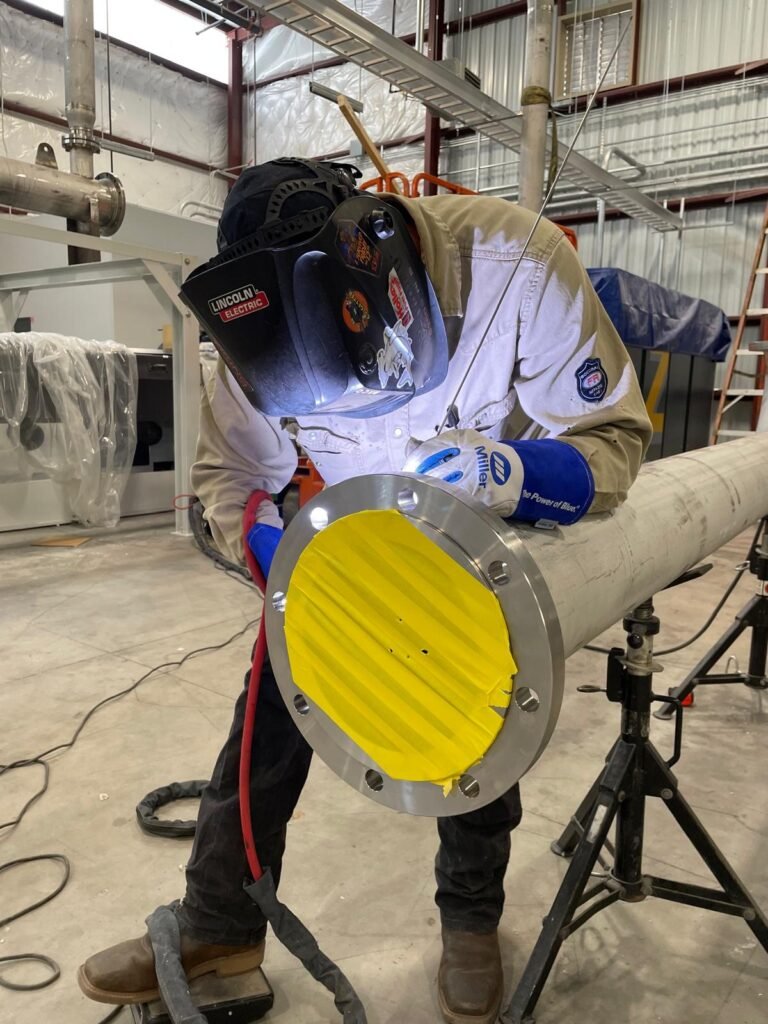
Understanding the Importance of Weld Quality
Weld quality is paramount in ensuring the longevity and safety of any fabricated structure. Poor welds can lead to structural failures, leaks, or even catastrophic accidents, especially in critical industries such as aerospace and construction.
To achieve high weld quality, it is essential to employ proper techniques, use the right materials, and adhere to industry standards. Regular inspections and testing, such as non-destructive testing (NDT), can help ensure that welds meet the required specifications and maintain integrity over time.
Common Welding Techniques and Their Applications
There are several welding techniques commonly used in the industry, each suited for different materials and applications. Techniques such as MIG (Metal Inert Gas), TIG (Tungsten Inert Gas), and Stick welding each offer unique advantages depending on the project requirements.
For instance, MIG welding is often favored for its speed and ease of use in projects involving thicker metals, while TIG welding provides superior control and is ideal for intricate work on thin materials. Understanding these techniques is crucial for selecting the right method for your specific welding needs.
Choosing the Right Fabrication Company
Selecting a reliable fabrication company is vital for ensuring that your welding projects are completed to the highest standards. Factors to consider include the company’s experience, the qualifications of its welders, and its reputation in the industry.
Additionally, reviewing past projects and customer testimonials can provide insight into the quality of work and customer service. A reputable company should also be willing to discuss project timelines, costs, and any specific requirements you may have.
Safety Practices in Welding Operations
Safety is a critical aspect of any welding operation. Welders must be equipped with the proper personal protective equipment (PPE) and follow safety protocols to minimize risks associated with welding, such as burns, eye injuries, and inhalation of harmful fumes.
Training and awareness of safety measures, such as proper ventilation, fire safety, and handling hazardous materials, are essential for maintaining a safe working environment. Regular safety audits and adherence to OSHA regulations can further enhance workplace safety in welding operations.